Fashion Revolution Week: Transparency, Responsibility and the Future of Textiles
Every year at the end of April, Fashion Revolution Week invites brands and consumers around the world to pause and ask an essential question: Who made my clothes?
While the movement was born within the fashion industry, its message goes far beyond clothing. It speaks to all textile sectors, including home and lifestyle products, where production processes are often just as hidden.
At Arpe, Fashion Revolution Week is a moment to reaffirm something we believe deeply: transparency is not optional, it is essential.
What is Fashion Revolution Week?
Fashion Revolution Week commemorates the anniversary of the Rana Plaza collapse in 2013, a tragedy that exposed the human cost of fast, opaque production systems.
Since then, Fashion Revolution has grown into a global movement advocating for:
- Transparency in supply chains
- Fair working conditions
- Ethical sourcing
- Responsible production
- Informed and conscious consumption
Its message challenges brands to take responsibility and consumers to demand better.
Why transparency matters in textiles
Textile production is often complex and fragmented. Materials may come from one place, manufacturing from another, and branding from somewhere else entirely. This distance makes it easy for responsibility to disappear.
Transparency matters because it:
- Builds trust
- Makes impact visible
- Holds brands accountable
- Respects the people behind products
Knowing where and how something is made should not be a privilege. It should be standard.
Arpe’s commitment to transparent production
At Arpe, transparency starts with proximity.
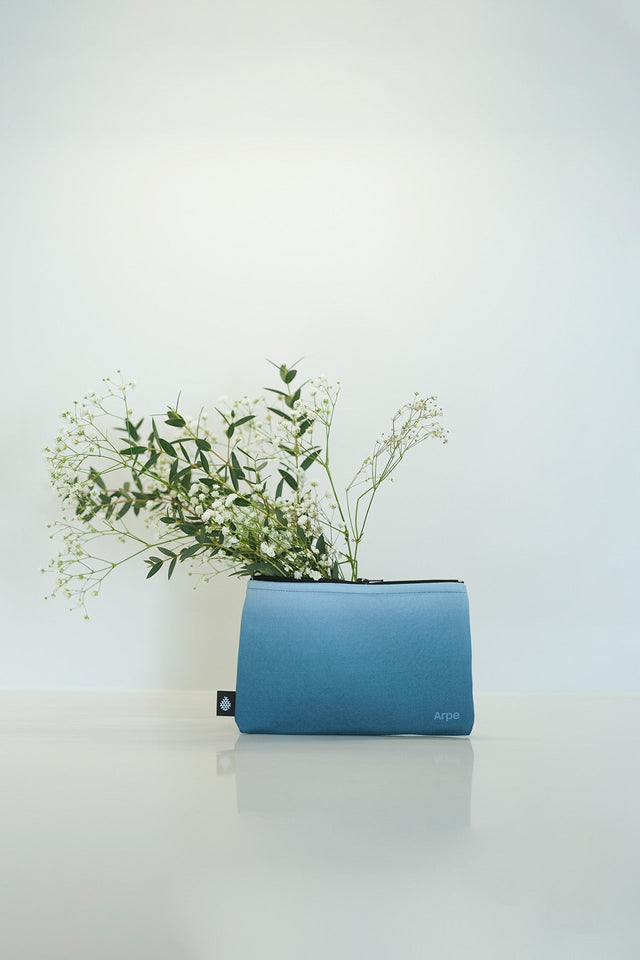
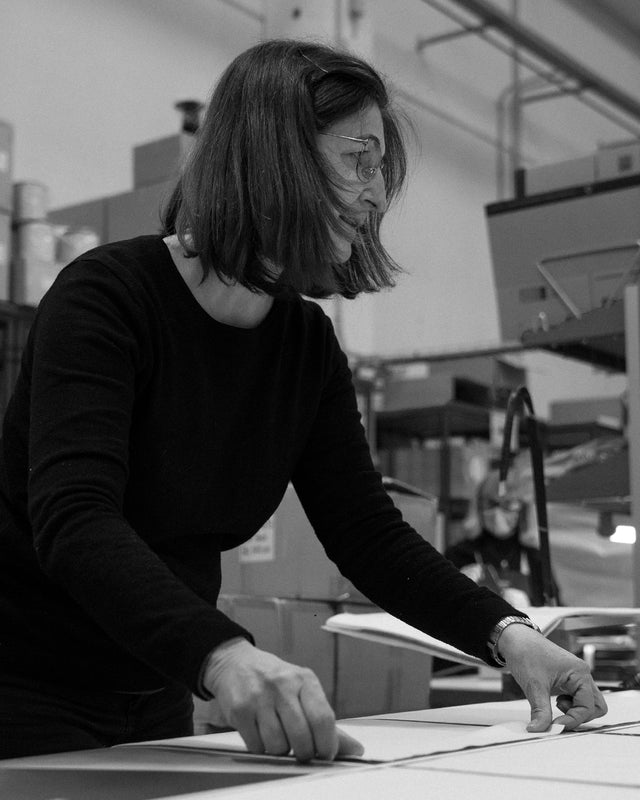
Our microfiber textiles are produced in-house in Barcelona, allowing us to maintain close relationships with the people involved in every step of the process. From material selection to final finishing, production happens within a controlled, traceable environment.
We believe transparency means being clear about:
- What materials we use
- Where we produce
- How our products are made
- What we can (and cannot) improve
We do not claim perfection. We believe in honesty.
Ethical production beyond fashion
Although Fashion Revolution often focuses on clothing, home textiles are part of the same system. Towels and everyday textile essentials are produced, consumed and discarded at large scale.
Applying Fashion Revolution values to home textiles means:
- Designing durable, functional products
- Avoiding unnecessary overproduction
- Choosing recycled materials, such as rPET microfiber
- Producing locally whenever possible
Responsible textiles are not defined by trends, but by the systems behind them.
Who made our towels?
The question “Who made my clothes?” can easily become “Who made my towels?”
At Arpe, the answer is simple: skilled professionals working in-house, within fair conditions, using materials chosen for their lower environmental impact.
Local, km0 production allows us to:
- Ensure fair working environments
- Maintain consistent quality
- Reduce transport-related emissions
- Adapt and improve processes responsibly
Putting faces and places back into production is a powerful act of change.
Fashion Revolution and conscious consumption
Transparency alone is not enough if consumption habits remain unchanged.
Fashion Revolution Week also invites us to reflect as consumers:
- Do we need this product?
- How often will we use it?
- How long will it last?
- Does it align with our values?
At Arpe, we design products meant to be used, reused and relied on, not replaced quickly. Conscious consumption is about choosing fewer, better-made items that truly serve a purpose.
From fast systems to responsible alternatives
The opposite of fast fashion is not simply “slow”. It is responsible.
Responsible systems value:
- Time over speed
- Quality over volume
- Transparency over marketing
- Long-term impact over short-term gain
Fashion Revolution Week reminds us that changing the industry requires both structural change and everyday decisions from brands and consumers alike.
Looking ahead
Fashion Revolution is not just a week. It is an ongoing process of questioning, learning and improving.
At Arpe, we will continue to:
- Produce locally and transparently
- Work with recycled materials
- Communicate honestly about our processes
- Encourage mindful consumption
Because the future of textiles depends not only on what we make, but on how and why we make it.